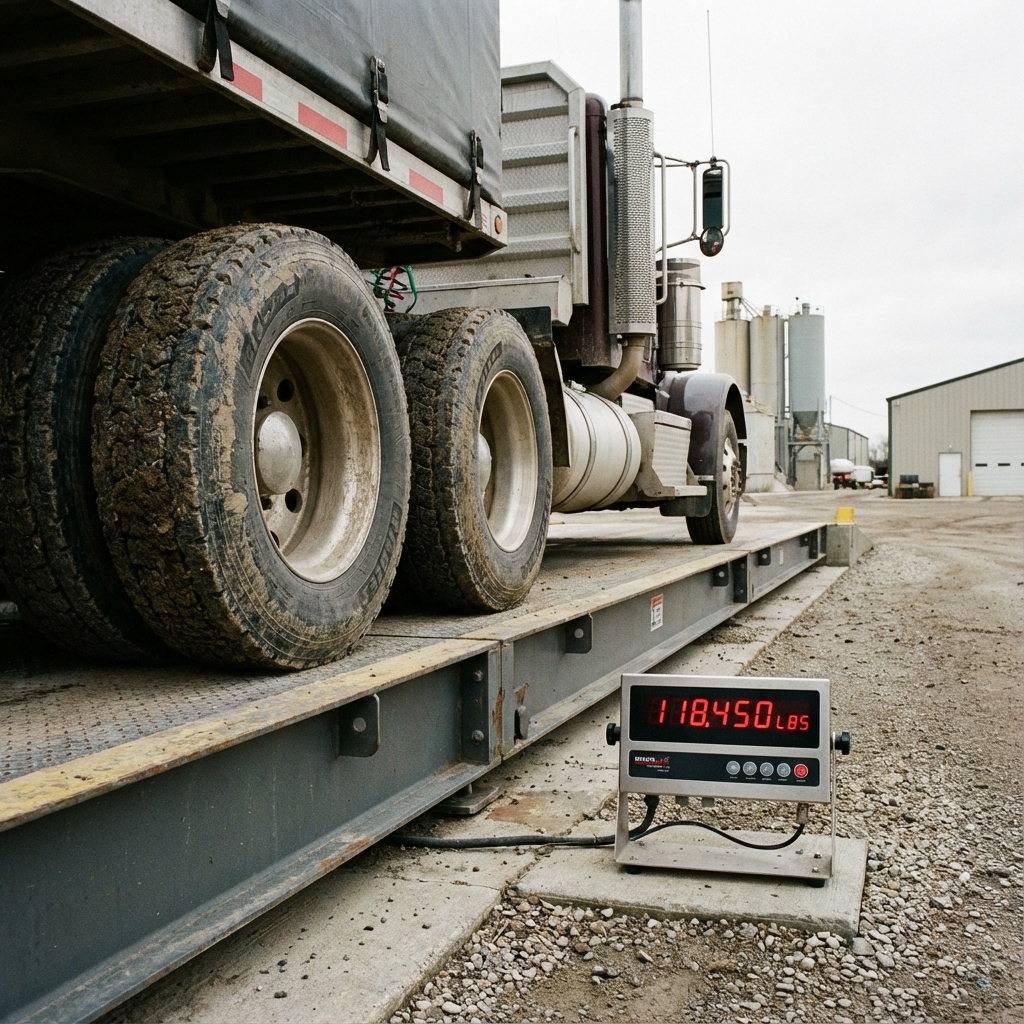
You may have heard of GVW before. The meaning of GVW is Gross Vehicle Weight, which refers to the maximum gross weight of a vehicle. In your search for the ideal truck or trailer, it is essential to be well informed about the rules regarding the maximum weight of the vehicle. In this article, we will explain more about GVW and why it is so important.
What is GVW?
GVW (Gross Vehicle Weight) stands for the maximum weight a vehicle is allowed to weigh. This includes the weight of the empty vehicle plus the weight of the driver, passengers, any other accessories, fuel, and of course the load. The GVW is determined by the manufacturer and must not be exceeded. It is punishable by law and dangerous to overload your truck.
Dependent on the number of axles
The maximum weight of a truck depends on the number of axles the vehicle has. Generally, the more axles, the higher the maximum allowed weight. The maximum weight is as follows:
- Truck with 2 axles: 19,000 kg
- Truck with 3 axles: 26,000 kg
- Truck with 4 axles: 32,000 kg
The concept of axle load
When discussing the maximum weight, the term axle load often comes up. Axle load is the weight pressing on the road via the wheels of one axle. This is recorded on the vehicle's registration certificate. For trucks and trailers, axle load is a crucial factor influencing weight distribution across the axles, road load, and safety. For trucks with trailers, the axle load is important not only for complying with regulations but also for ensuring optimal driving stability. The maximum axle load varies from country to country and, in the worst-case scenario, from road to road. Transport companies, therefore, need to be well informed about the permitted axle load where they operate.
The weight of a truck with trailer
The permitted weight for a truck with a trailer is higher than for a standalone truck because the weight is distributed across more axles. In many European countries, the maximum total weight for a standard truck-trailer combination is 40 tonnes. The specific weight limits depend on the number of axles and the type of vehicle. Additionally, the maximum weight can vary from country to country.
The maximum weight of a truck by country
As mentioned earlier, the maximum vehicle weight varies by country. Although the European Union has set some general guidelines, individual member states can deviate from these. This means that depending on the country you are driving through, different rules may apply. Below, we provide the GVW limits for the most important countries for freight transport: The Netherlands, Germany, and Belgium.
Max weight for trucks in the Netherlands
In the Netherlands, the maximum GVW for vehicle combinations with 5 or more axles is 50 tonnes. For single trucks, the limit is usually between 19 and 32 tonnes. The Netherlands follows the European Union guidelines regarding maximum axle load. However, with a special permit, exceptions can be made for special transport, such as cranes or heavy loads, if possible on specific routes.
Max weight for trucks in Germany
Germany has stricter limits on the maximum weight for trucks with trailers: 40 tonnes. Exceptions can also be made for longer or heavier trucks. In Germany, the maximum axle load is strictly monitored. For a single axle, the maximum is 11.5 tonnes.
Max weight for trucks in Belgium
For trucks with a combination of 4 or more axles, Belgium applies a maximum weight of 44 tonnes. For trucks with 3 or fewer axles, the limit is a maximum of 26 tonnes. For international transport, Belgium generally recognizes the standard EU limit of 40 tonnes (or 44 tonnes for intermodal transport). However, the regulations in Belgium can vary because the regions of Flanders, Wallonia, and Brussels have their own rules regarding weight limits.
The Certificate of Conformity: Proof of approval
When you purchase a truck, you receive a valid paper registration (Certificate of Conformity or COC) with it. This document certifies that the vehicle complies with European regulations and meets the required technical standards. It contains important information such as the maximum permissible mass, the vehicle's dimensions, and its emission class. It is mandatory to have a copy of this document present. Are you buying a second-hand truck? It is possible that the certificate may be missing. Always check if the COC is included. If not, you can request a new one from the manufacturer. Driving without a valid COC can lead to fines and problems during inspections.